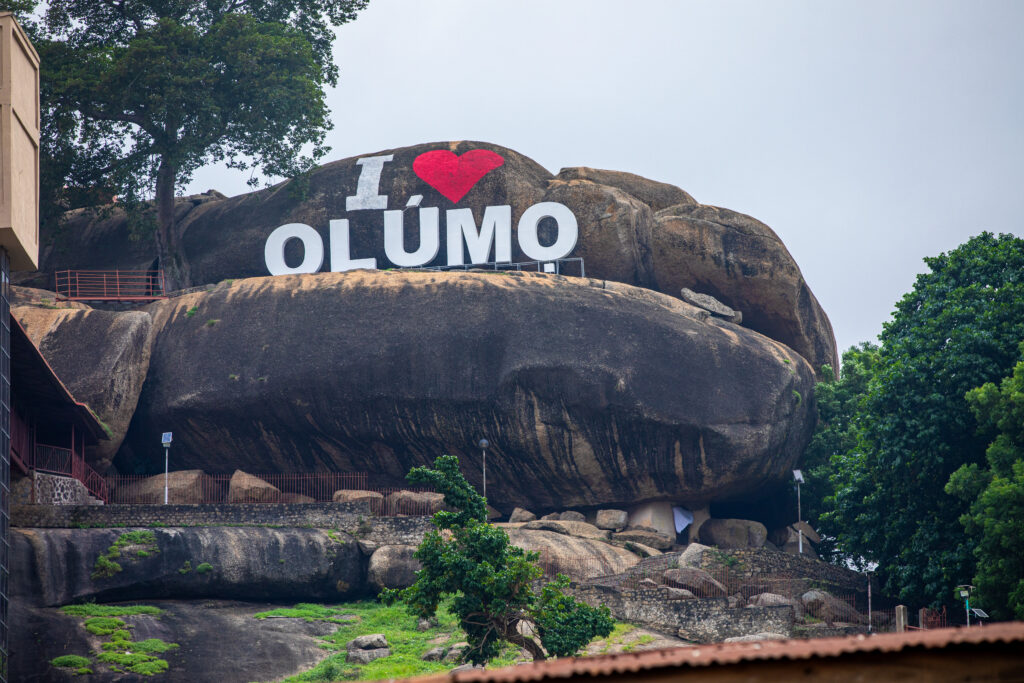
Abeokuta began in the 1830s when Egba migrants settled at the base of Olumo Rock, turning a granite refuge into a thriving cultural crossroads. This page distils trusted research insights into concise summaries that trace the city’s journey, honour its Egba heritage and keep every detail anchored in cultural authenticity.

Abeokuta, meaning “under the rock”, was founded around 1830 under the leadership of Sodeke. The Egba migrated there after fleeing wars and slave raids following the decline of the Oyo Empire.
The Egba trace their origins to one of the early children of Oduduwa, the revered progenitor of the Yoruba people. Within Yoruba oral tradition, the Egba are counted among the foundational branches of the Yoruba lineage, while the Oyo trace their ancestry to the youngest child of Oduduwa. This shared ancestry places the Egba firmly within the spiritual and cultural heart of Yorubaland, forming the roots from which their identity and early settlements grew.
Over the centuries, Egba people evolved into a people known for resilience, courage, and an enduring pursuit of freedom. Although they lived within the powerful Oyo Empire and served among the elite Eso Ikoyi warriors, the Egba also endured periods of heavy taxation and political pressure from Oyo’s officials. Their turning point came under the leadership of Lisabi of Itoku, who, between 1775 and 1780, led a coordinated revolt that freed the Egba from Oyo domination and laid the foundations of their self-governance.
Independence brought new challenges. The turbulence of the nineteenth century and rising conflicts across Yorubaland forced many Egba to flee oppressive rule in Ibadan. Guided by the Balogun, Lamodi, and later by Sodeke, Egba groups journeyed southwards in search of safety. Their scouts discovered a rocky landscape dotted with natural caves, a place that hunters already used as shelter. This refuge became Abeokuta, meaning “the city under the rock.”
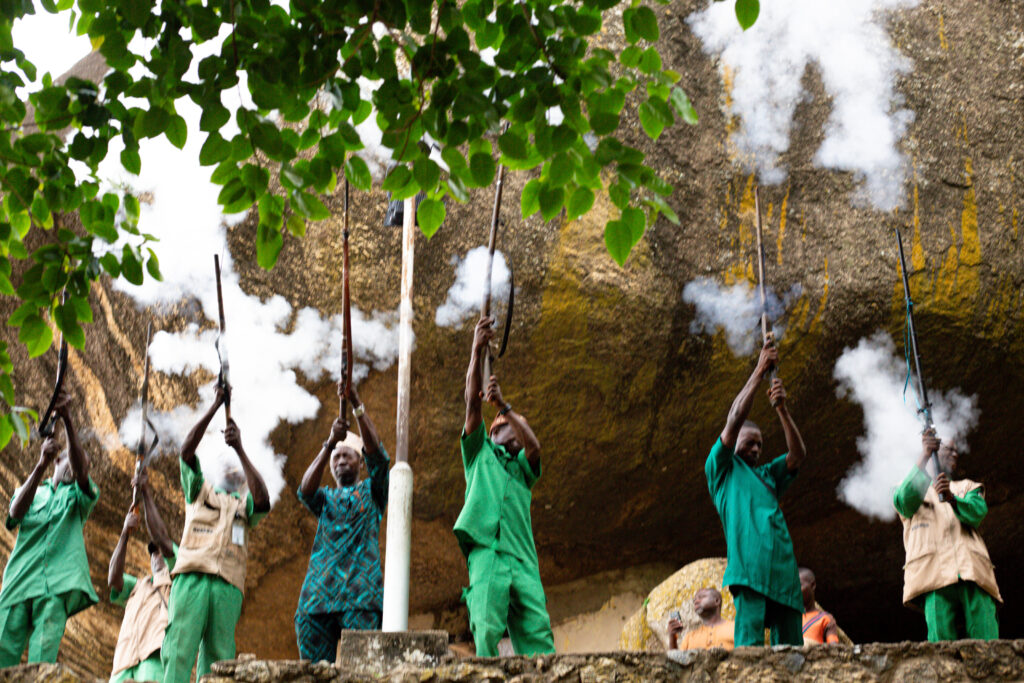
Settling at the foot of the towering granite outcrop known as Olumo Rock, the Egba found both protection and a spiritual anchor. Rising 137 metres, Olumo served as a natural fortress during wars, a lookout point for approaching enemies, and a sacred site symbolising divine provision. The early community grew around Oko Adagba, the farmland of Adagba, an Itoko hunter who offered his land to the arriving refugees. Over time, Abeokuta became home to four major Egba divisions: Ake, Oke-Ona, Gbagura, and, later, the Owu.
Though conflict continued, including the wars that devastated many Egba towns in the early nineteenth century, the Egba endured. Their history carries the memory of struggle, migration, and unity, but also the triumph of a people who built a thriving homeland beneath a rock that became both shield and symbol.
Today, Olumo Rock stands not only as a landmark but as a living reminder of the Egba people’s strength, identity, and unbreakable spirit.
© 2025 My Village People. All rights reserved.
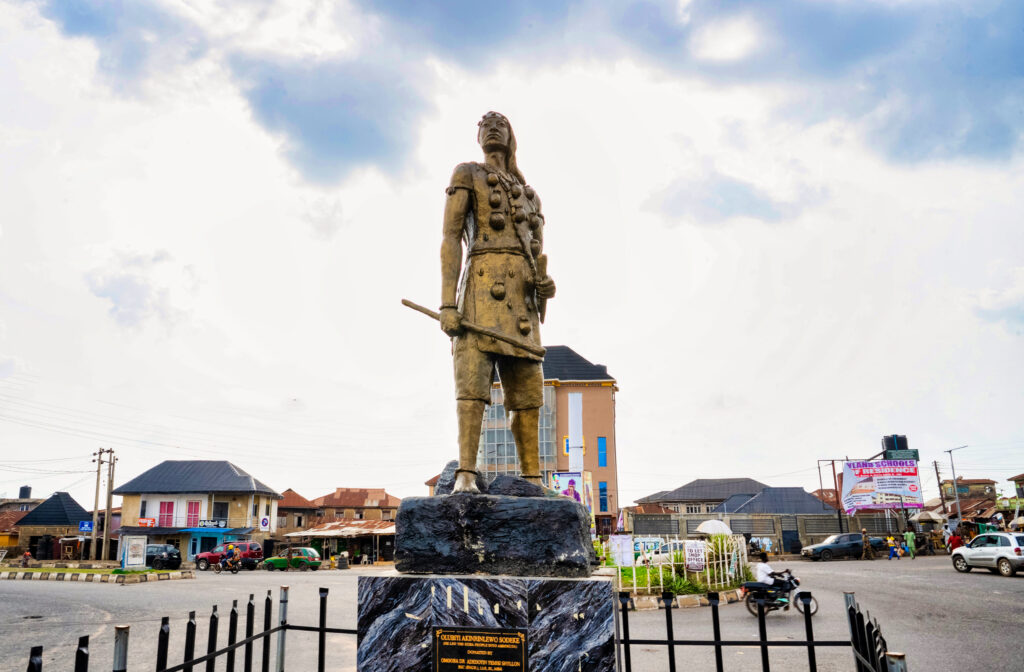
Abeokuta has produced an extraordinary lineage of national leaders and visionaries
| Name | Description / Role |
|---|---|
| Lisabi Agbongbo Akala | Liberator of Egba from Oyo rule |
| Chief Sodeke | Founder and unifier of Abeokuta |
| Princess Sara Forbes Bonetta | Egba royal and goddaughter of Queen Victoria |
| Chief Obafemi Awolowo | First Premier of the Western Region; reformist leader |
| Chief M. K. O. Abiola | Businessman and symbol of the 1993 presidential mandate |
| Chief Olusegun Obasanjo | Military Head of State (1976–79) and President (1999–2007) |
| Justice Adetokunbo Ademola | First indigenous Chief Justice of Nigeria |
| Prince Bola Ajibola | Judge at the International Court of Justice |
| Chief Ernest Shonekan | Head of Nigeria’s Interim National Government (1993) |
| Funmilayo Ransome-Kuti | Pioneer feminist and leader of the Abeokuta Women’s Union |
| Fela Anikulapo-Kuti | Global musician and influential social critic |
| Dr. Olusegun Ransome-Kuti | Minister of Health in the 1980s |
| Gov. Ibikunle Amosun | Contemporary Ogun leader; drove infrastructure and industry |
| Gov. Dapo Abiodun | Current Ogun leader; driving modernization and economic growth |
Olumo Rock
Located in Abeokuta, Ogun State, Olumo Rock stands 137 metres above its surroundings and is one of Nigeria’s most iconic natural and cultural monuments. For centuries, it has served as a fortress, refuge, and spiritual symbol for the Egba people. The rock’s caves and crevices provided shelter during the wars of the nineteenth century, while its summit gave defenders a vantage view over enemies. Its name, Oluwa mo (“God has moulded”), reflects the Egba belief that divine providence shaped their refuge.
The rock remains sacred under the authority of the Alake of Egbaland and traditional priests. Rainwater collected from it was once used for healing, and ancient trees such as the two-hundred-year-old iroko and baobab are regarded as living relics.
Modern restoration (reopened 21 July 2025) has transformed Olumo Rock into a cultural-tourism destination, featuring a museum, art gallery, glass elevator, and monuments to Egba heroes. The site overlooks the city, revealing landmarks such as the Central Mosque, the First Church of Nigeria, River Ogun, Baptist Boys’ High School, and Chief M. K. O. Abiola’s family home.
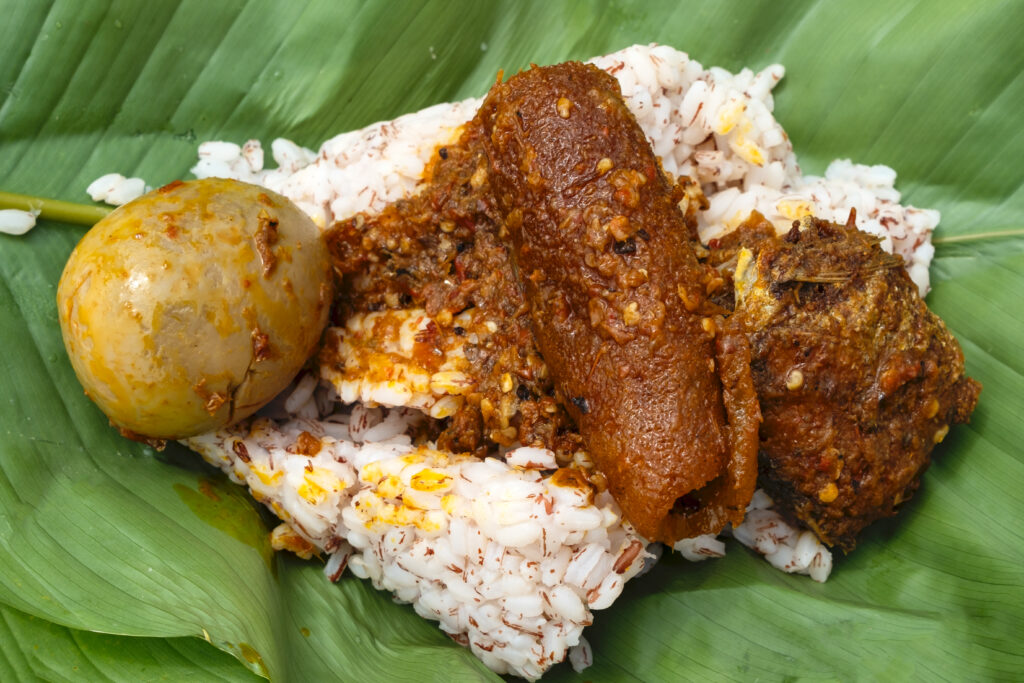
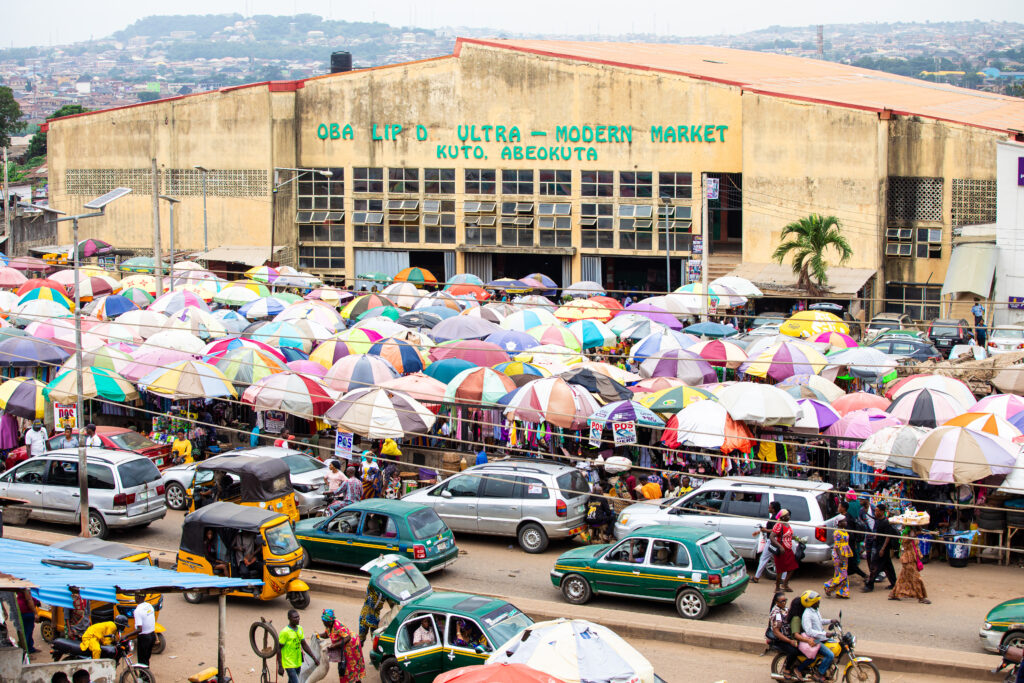
Nearby, the Itoku Market complements the heritage experience with Adire textiles, local crafts, and cuisine, forming part of Abeokuta’s living landscape.
Other Key Cultural Landmarks in Abeokuta
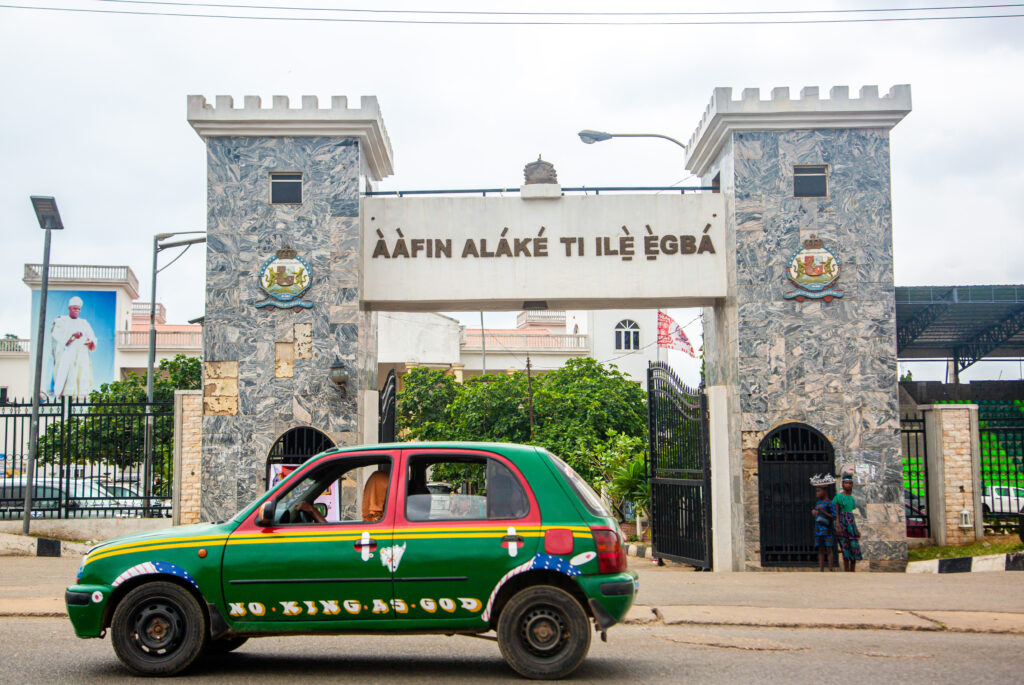
• Ake Palace – The official seat of the Alake, the paramount ruler of Egbaland, and a centre of traditional authority, ceremonies, and historical archives.
• Centenary Hall – Built in 1950 to commemorate one hundred years of the Egba United Government, the hall serves as a monument to Egba unity and early self-governance.
• Owu Palace – Home to the Olowu of Owu, this palace reflects the arrival, resilience, and integration of the Owu people following their migration to Abeokuta.
• Oke Ona Palace – The residence of the Osile of Oke Ona, representing another major Egba division with deep historical and cultural significance.
• Lisabi Forest, Igbehin – A sacred grove dedicated to Lisabi, the celebrated Egba liberator whose leadership brought freedom from Oyo domination and laid the foundation of Egba identity.
Abeokuta’s gastronomy reflects its blend of traditions and trade heritage:
These dishes showcase the Egba knack for turning agriculture into culinary art and are shared during festivals and family gatherings.
Before foreign faiths arrived, the Egba worshiped Yoruba Orisa; Ogun (iron and war), Obatala (purity and creation), and Sango (thunder). Olumo Rock itself was sacred, and priests offered sacrifices there.
Christianity entered Abeokuta in 1842 through Henry Townsend of the Church Missionary Society, with support from Sodeke. St Peter’s Church, Ake (1844) was Nigeria’s first Christian church, symbolising the nation’s earliest Christian roots. Early converts like Hannah Afola and Bishop Samuel Ajayi Crowther shaped the faith’s growth.
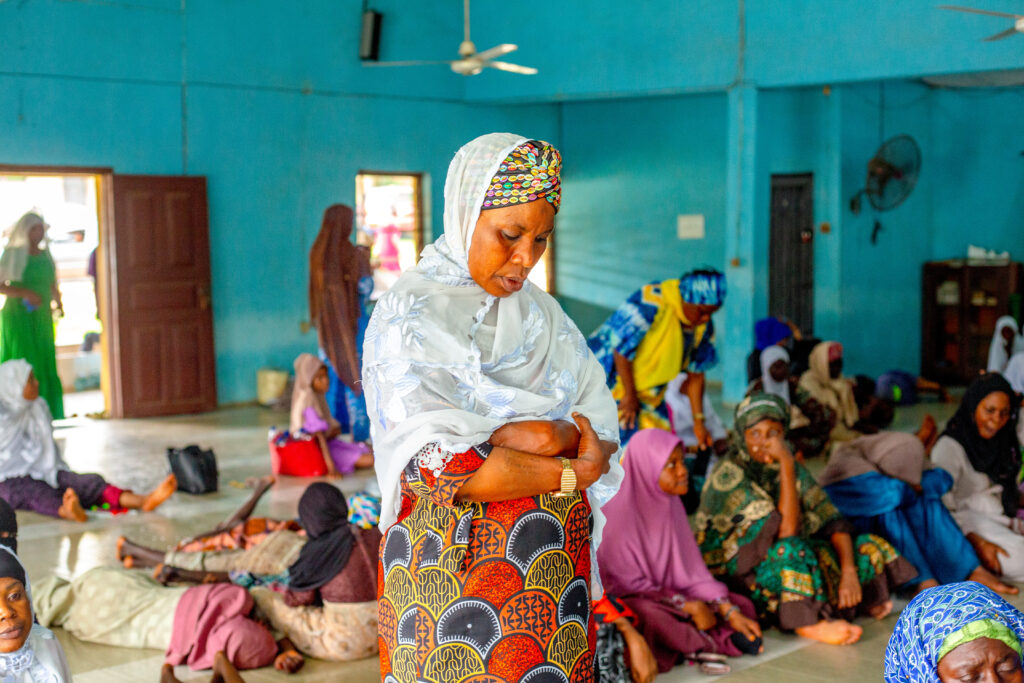
Islam reached Egbaland earlier, via trade routes from Mali and Ilorin. Merchants and scholars established Qur’anic schools; among the earliest Egba Muslims was Ayodeji Ajiboso, a poet-warrior whose conversion inspired many.
Adire Textile Art
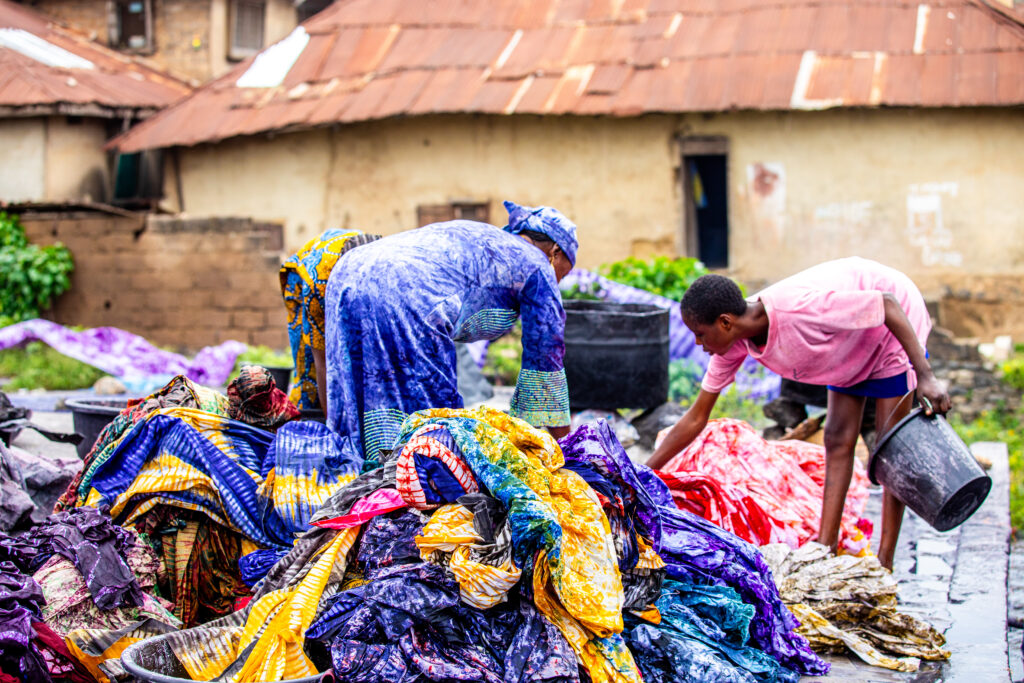
Abeokuta is the cradle of Adire, a resist-dyeing tradition developed by Egba women in Itoku Market. The term comes from adi (to tie) and re (to dye). Chief Mrs Soetan of Kemta is credited with pioneering the craft using local white cloth (teru) and indigo dye (elu).
Patterns symbolise concepts: waves for abundance, spirals for continuity, and dots for fertility and resilience.
Today more than 1,500 women sustain Adire’s value chain, which has earned global recognition. The annual Adire Festival (July–August) celebrates this heritage through fashion shows, exhibitions, and workshops.
From its earliest days, Abeokuta’s strategic position along the Ogun River made it a commercial nexus linking Yoruba hinterlands with Lagos and Badagry. Trade in palm oil, kola nuts, and textiles brought wealth and international attention.
Industrial Growth: In modern times, Abeokuta’s economy has diversified around agriculture, manufacturing, quarrying, and creative industries.
Infrastructure projects such as the Ibara fly-over (2013) and Wole Soyinka Train Station (2021) strengthened connectivity. The Ogun Tech Hub (2022) and Digital Innovation Park (2025) signify a move toward digital economies, creating jobs for startups and youth.
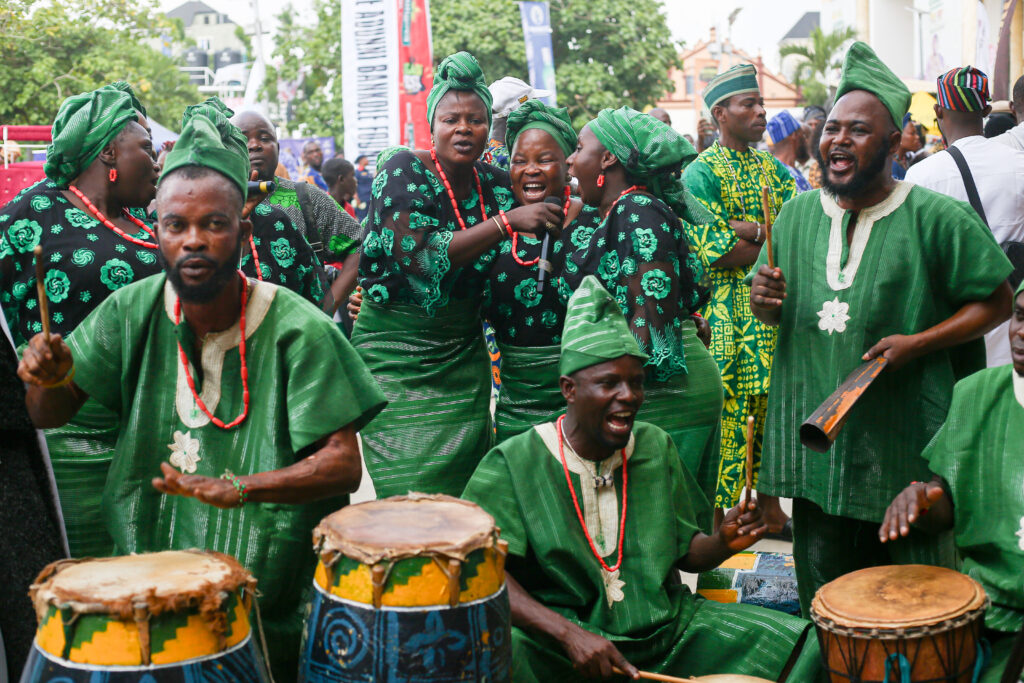
Creative Economy: Culture now serves as economic infrastructure, evident in the renovation of the June 12 Cultural Centre and the Lisabi Festival 2025 / Ẹ̀gbálíganza, which merged heritage, fashion, and industry showcases to stimulate commerce and tourism.
Victorian anti‑slavery patrols rescued many Egba captives; some returned as educated Christians and helped shape both Abeokuta and nearby Lagos in the 1840s, marking an early chapter in Nigeria’s modern politics
Traditional values are preserved through rites and festivals that bind community and ancestry:
The Egbas speak the North-West Yoruba dialect (NWY) within the Niger-Congo language family. It is noted for its melodic tone, proverbial richness, and eloquence. Missionary influence introduced names such as Brown, Coker, and Vaughan, still common today. A distinctive oral-poetic form called Ege, philosophical, rhythmic, and musical, also originated here
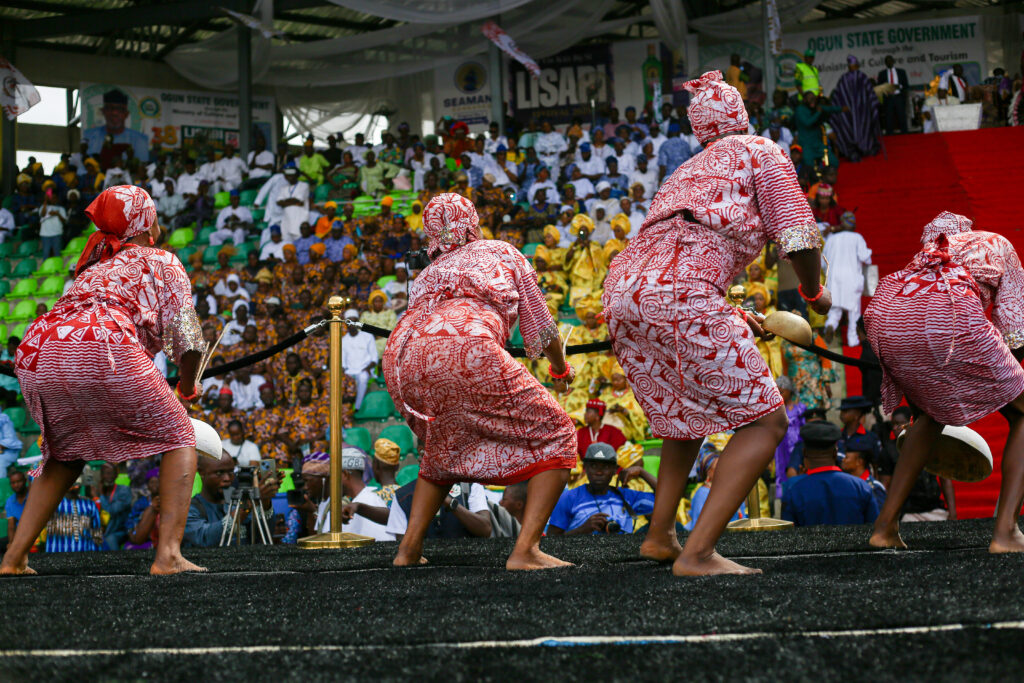
Abeokuta has always been a melting pot of creative expression, from Ege poetry to drumming and dance that accompany festivals.
Fela Anikulapo-Kuti popularised Afrobeat globally, rooting his sound in Egba rhythms and Yoruba oral tradition.
Adire design, drumming, and performance arts remain core to its creative identity, bridging ancestral craft with modern innovation.
Abeokuta boasts a vibrant calendar of spiritual and cultural festivals:
Festival | Month / Season | Essence & Highlights |
Olumo Festival | February | Thanksgiving for protection under Olumo Rock. Pilgrimage, prayers, and cultural dances. |
Lisabi Festival | March | Honours Lisabi Agbongbo Akala. Parades, patriotic plays, and youth competitions. |
Adire Festival | July–August | Celebrates Adire craft, fashion exhibitions, and workshops. |
Igunnuko Festival | August | Masquerades embody ancestral spirits; colourful ritual dances drive away evil. |
Oro Festival | May–June | Male-only community cleansing and ancestral summoning. |
Yemoja / Gelede Efe Festival | May–June | Honours river goddess Yemoja and celebrates women and fertility. |
Omo Olowu Festival | October | Commemorates Owu heritage through royal parades and music. |
Isese Day | 20 August | Statewide celebration of Yoruba traditional religions and deities. |
Climb Olumo Rock for a sweeping view of red‑roofed quarters; wander the dye pits of Itoku market; step into the Egba Museum at Ake Palace; browse the National Museum; or trace recent history at the Olusegun Obasanjo Presidential Library, all within one compact city.